Understanding the Impact of Urban Green Spaces
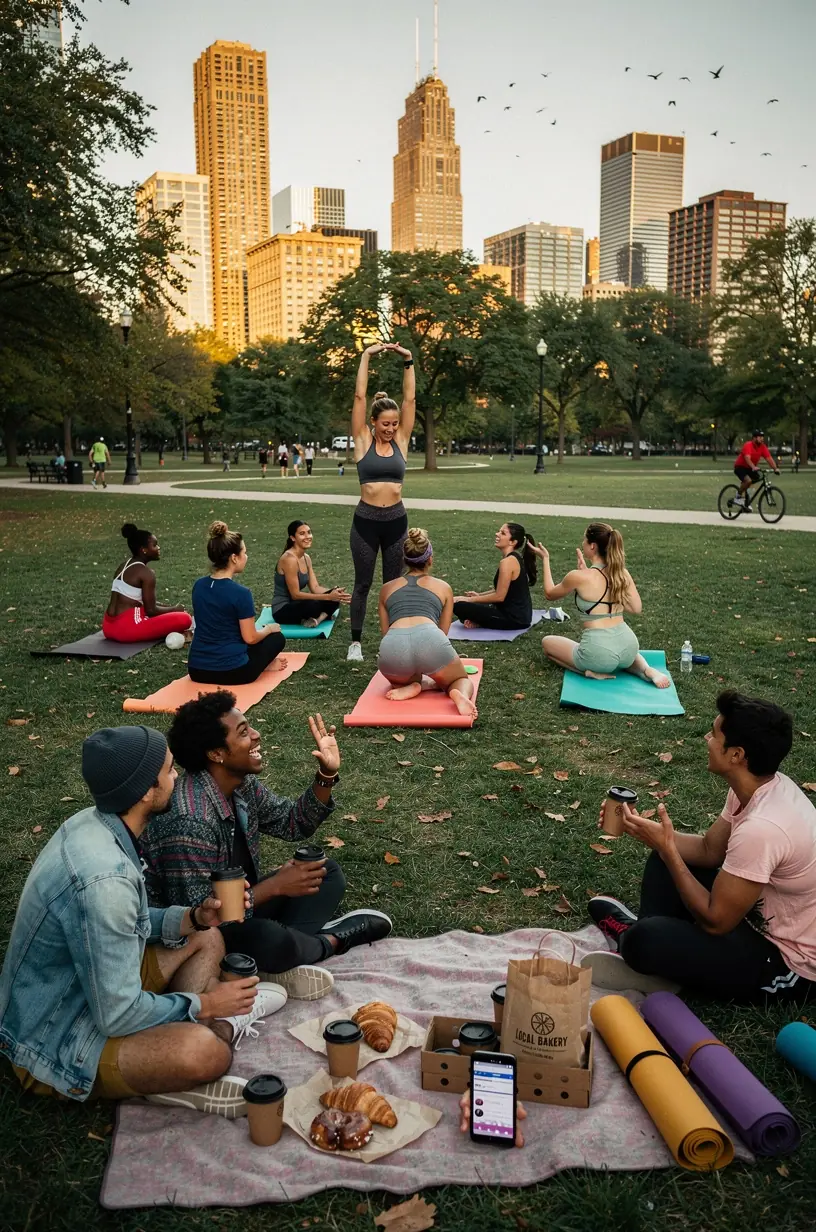
Urban green spaces, such as parks, gardens, and community greens, play a significant role in enhancing urban life. This article explores their impact on social well-being, environmental health, and urban planning, supported by research and expert insights.
The Importance of Urban Green Spaces
According to studies, urban green spaces can contribute significantly to the quality of life in cities. These areas provide essential benefits, including:

- Improved Mental Health: Research indicates that access to green spaces can reduce stress and anxiety levels. A study by the University of Queensland found that individuals living close to parks reported higher levels of happiness.
- Enhanced Physical Health: Engaging with nature often encourages physical activities like walking or jogging. The American Heart Association states that regular exercise in green environments can lower the risk of chronic diseases.
- Community Engagement: Green spaces can foster social interactions among residents. Experts recommend that well-maintained parks and gardens create opportunities for community gatherings and events.
How Urban Green Spaces Affect the Environment
The principle behind the benefits provided by urban green spaces extends to environmental health. According to the Environmental Protection Agency (EPA), these areas can:
- Improve Air Quality: Trees and plants are known to filter pollutants and produce oxygen, enhancing air quality in densely populated areas.
- Mitigate Urban Heat: Urban heat islands are common in cities, but studies show that vegetation can lower surrounding temperatures by providing shade and reducing heat absorption.
- Support Biodiversity: Urban green spaces serve as habitats for various species, promoting biodiversity within the urban landscape, which is crucial for ecological balance.
"Incorporating more green spaces into urban planning is essential for fostering healthier communities and environments." - Urban Planning Expert
Challenges and Considerations
While urban green spaces offer numerous benefits, there are challenges and limitations to consider:
- Maintenance Requirements: Maintaining green spaces requires ongoing resources and commitment from local governments and communities.
- Equity in Access: Access to green spaces is often uneven across urban areas, with marginalized communities frequently under-resourced. Ensuring equitable access is critical.
- Time and Effort: Creating and maintaining green spaces typically takes significant time and community involvement, often requiring years to see fully realized benefits.
Conclusion
Urban green spaces are vital for enhancing city life, supporting both ecological and human health. While challenges exist in their maintenance and equitable access, the positive impacts on mental and physical well-being are well-documented. As urban planners and communities look towards the future, integrating more green spaces can be a practical, effective strategy to foster healthier, more vibrant cities.
Discover More