
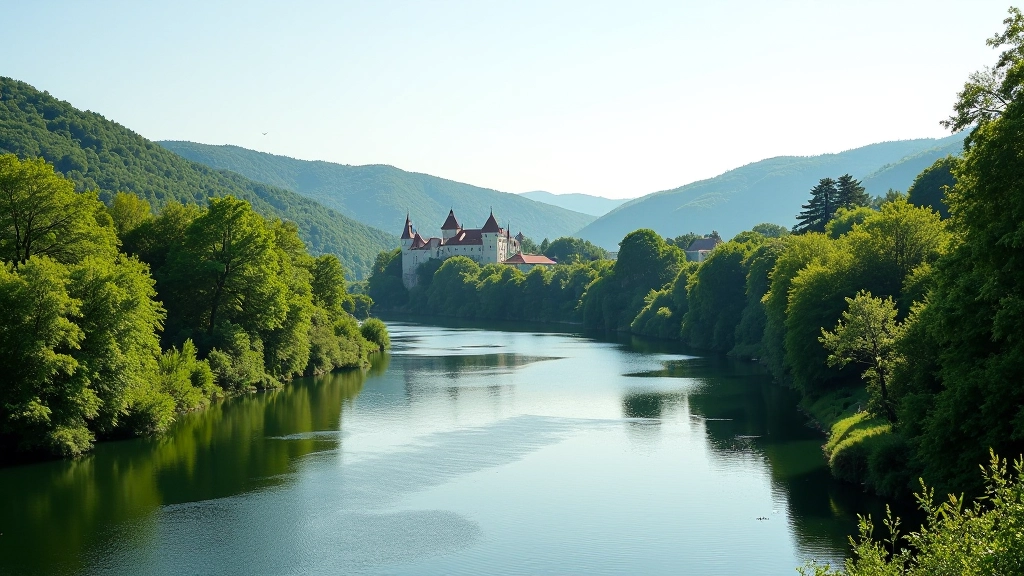
Riverside Picnic Areas Near Český Krumlov
Complete guide to riverside picnic spots, seasonal access, facilities available, and planning your visit to this charming region.
Read GuideTrail Options for All Levels
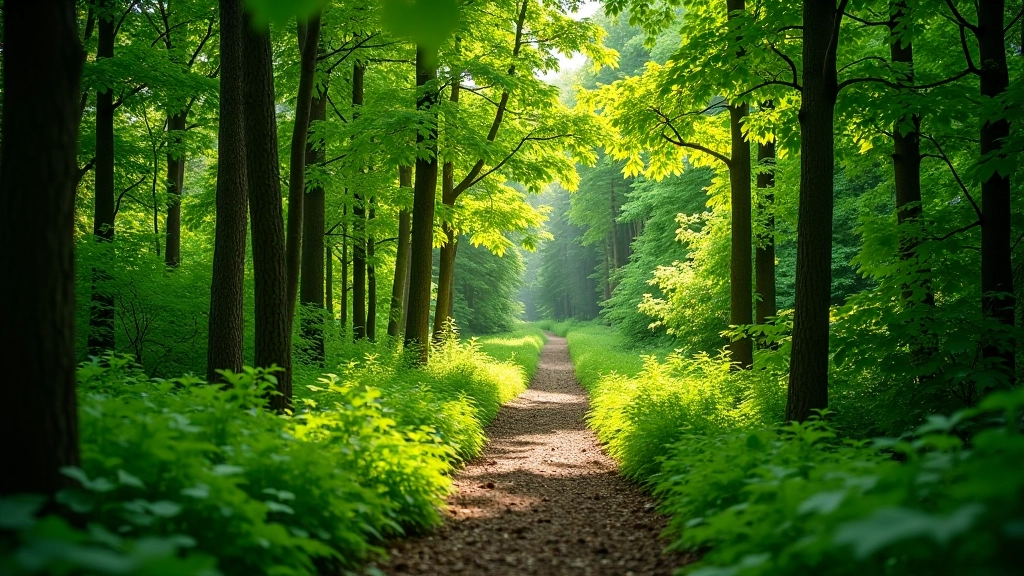
Podyjí National Nature Reserve sits along the Dyje River in South Moravia, spanning about 6,300 hectares of protected landscape. It’s one of the most biodiverse regions in the Czech Republic. The reserve contains steep forested slopes, limestone cliffs, and winding river valleys that create an incredibly varied terrain.
What makes Podyjí special isn’t just the scenery. You’ll encounter geological formations from the Devonian period, rare plant species found nowhere else in the country, and wildlife you won’t see on typical European nature walks. The trails here range from leisurely riverside strolls to challenging ridge hikes that demand proper fitness.
Hectares of protected area
Marked hiking routes
Mammal species
If you’re new to hiking or prefer a relaxed pace, Podyjí offers several excellent easy trails. The riverside paths are particularly popular — they follow the Dyje River with minimal elevation change and stunning water views throughout.
The Green Route (Zelená trasa) takes about 2 hours for most walkers and covers 5.5 kilometers. You’ll walk through mixed forest with occasional clearings where the river becomes visible. The path is well-maintained and the only real challenge is occasional muddy sections after rain.
Another beginner-friendly option is the Red Route loop starting near Hardegg. It’s just 4 kilometers, mostly flat, and takes roughly 90 minutes. This route passes through beech forests and you’ll see old stone walls from medieval times still standing.
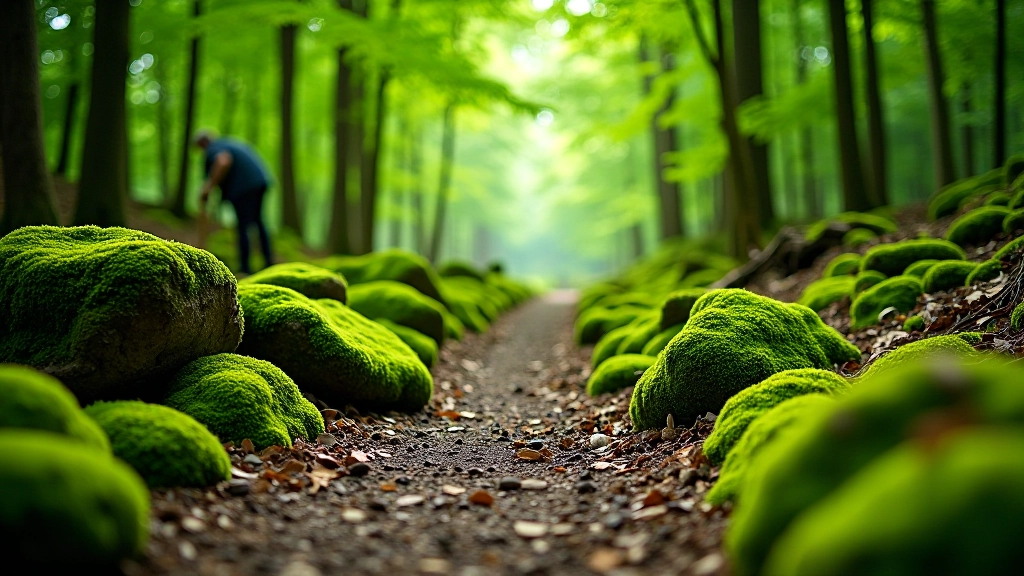
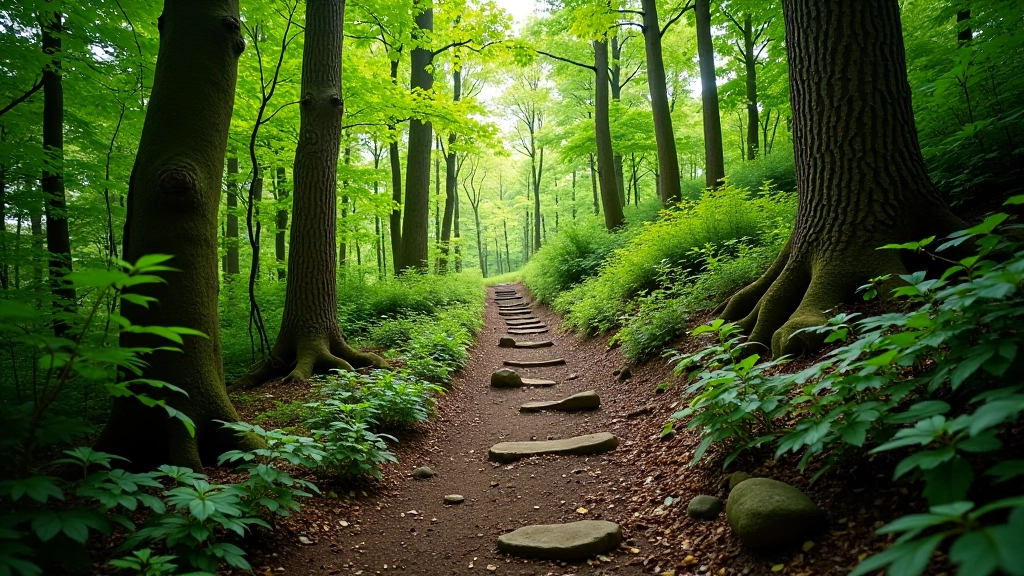
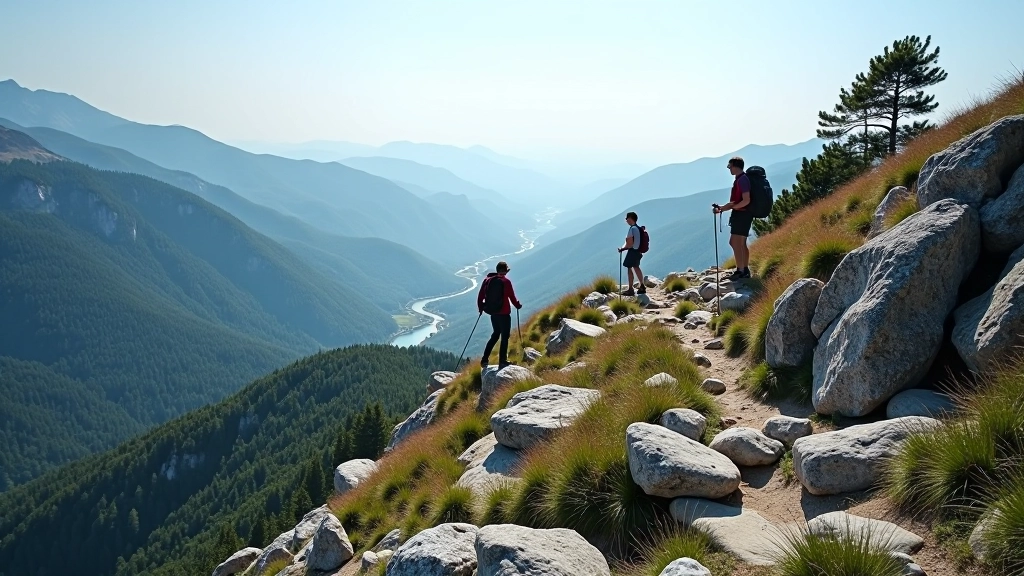
Once you’ve done a few easy routes, the moderate trails offer real rewards. The Blue Route (Modrá trasa) is a solid 7.5-kilometer hike taking about 3 hours. You’ll gain 280 meters of elevation, which sounds manageable but the terrain is rocky and technical in places.
This route climbs from the river valley up to the plateau where you get panoramic views across South Moravia. On clear days you can see the Podyjí plateau stretching for kilometers. The trail passes through a mix of forest and open grassland. Bring good boots — the descent is steep and loose gravel can be slippery.
The Orange Route loops through both river valleys and high plateaus. It’s 9 kilometers with about 350 meters of elevation gain spread across the entire route. Most people take 4 hours, which allows time to stop and observe wildlife. We’ve seen red deer, roe deer, and foxes on this route.
This article provides educational information about hiking trails in Podyjí Nature Reserve. Trail conditions, difficulty ratings, and accessibility change seasonally. Always check current conditions with the reserve management before planning your visit. Weather, maintenance work, and wildlife movements can affect route difficulty. Wear appropriate gear, bring water, and inform someone of your planned route. This is informational content — not professional hiking guidance.
The Black Route (Černá trasa) demands serious fitness. It’s 11 kilometers with nearly 500 meters of elevation gain, and the terrain includes steep rocky sections, exposed ridge walking, and technical descents. Most experienced hikers complete it in 4.5 to 5 hours, but don’t rush.
This route showcases everything that makes Podyjí remarkable. You’ll start in the river valley, climb through dense forest with massive limestone outcrops, emerge onto high plateaus with long views, then descend through a different river valley. The geology changes constantly — you’re literally walking through different time periods.
Wildlife spotting improves on these remote routes. Red deer are common on the high plateaus. Golden eagles nest on the cliffs — you might see them riding thermal updrafts. The forest sections attract woodpeckers and various warbler species. In spring and early summer, you’ll see wildflowers blooming in meadow sections.
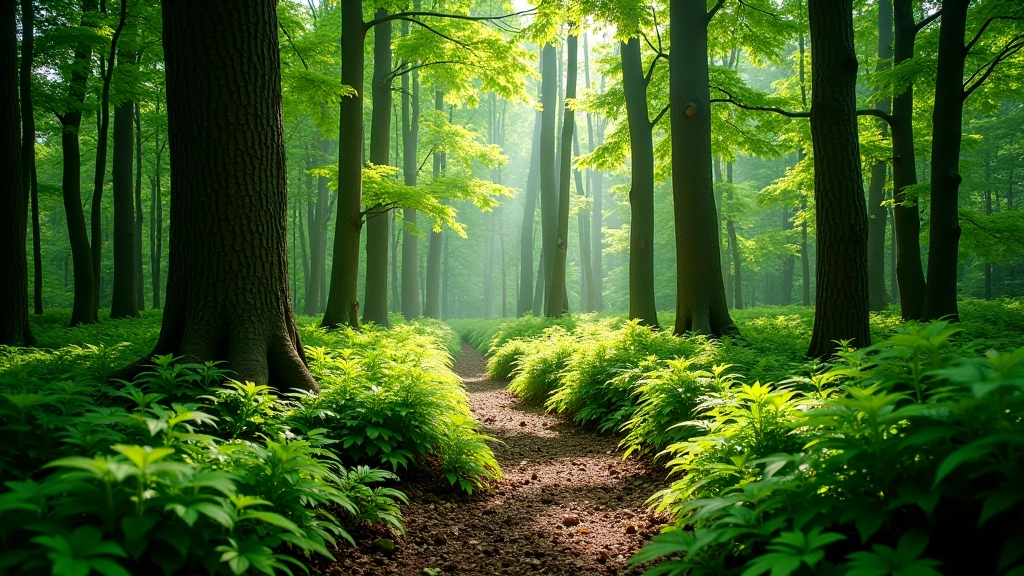
Podyjí protects ecosystems you won’t find elsewhere in the region. The steep slopes create microclimates where Mediterranean plant species grow alongside northern species. It’s genuinely unusual to see thermophilic plants (sun-loving, heat-tolerant) thriving alongside typical Central European forest vegetation.
The mammal diversity is impressive. Red deer are the most visible large animals, especially in early morning or late evening. Roe deer are more common but less obvious. Wild boar populations fluctuate — you’ll sometimes see their rooting damage on the forest floor. Badgers, foxes, and pine martens live here but are nocturnal, so you’re unlikely to spot them unless you’re hiking at dusk.
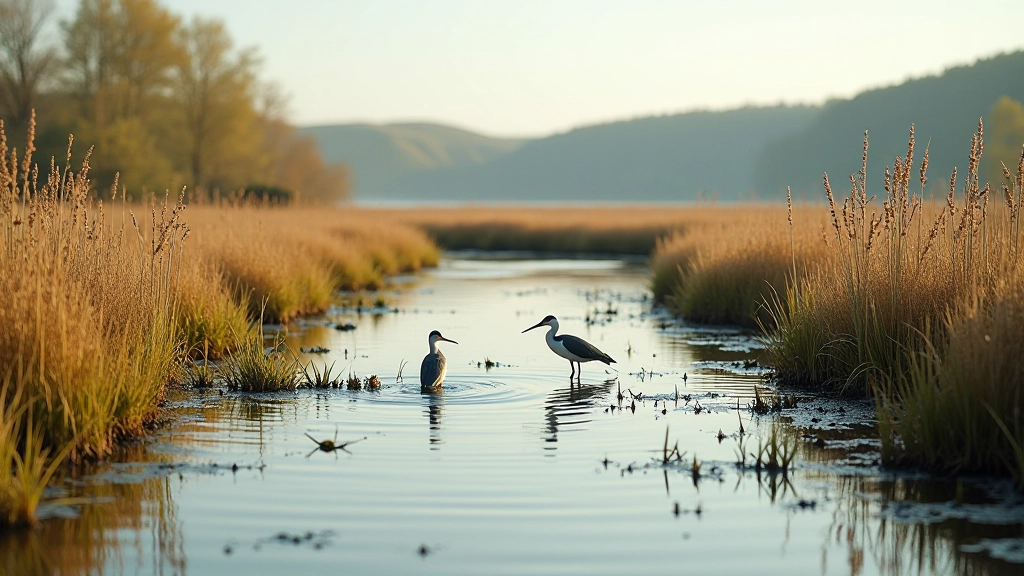
Bird watching opportunities improve dramatically in spring and early summer. Over 150 bird species use the reserve, including several species found nowhere else in the Czech Republic at this altitude. The limestone cliffs support nesting golden eagles, peregrine falcons, and various raptors. Bring binoculars — seriously, the bird diversity makes it worth it.
Wildflowers bloom across meadows. Temperatures are mild, typically 12-18C. Rivers run high from snowmelt, creating powerful waterfalls. Bird migration peaks — you’ll see species passing through on their way north. The downside: trails can be muddy and leeches become active in wet areas.
Long daylight hours mean you can start late and still finish before dark. Temperatures reach 20-25C. The main downside is crowds — weekends get busy with family groups on easy routes. Go midweek for solitude. High plateaus can be hot without shade. Start early to avoid hiking in peak afternoon heat.
Arguably the best season. Forests turn golden and red. Temperatures cool to 10-18C, ideal for hiking. Wildlife becomes more active as animals prepare for winter. Fewer tourists than summer. The forest canopy thins, improving views. Morning fog in valleys creates atmospheric photography conditions.
Some routes close or become hazardous. Icy conditions on exposed sections are dangerous. However, winter hikers report incredible solitude and crisp visibility. Deciduous forests are bare, allowing long views. Trails are often muddy rather than snowy at lower elevations. Bring traction aids for any challenging route.

Podyjí National Nature Reserve isn’t just another hiking destination. The combination of geological drama, ecological diversity, and genuine solitude makes it special. You’ll walk through landscapes that have remained largely unchanged for centuries.
Start with easy routes if you’re new to the region. Get comfortable with the terrain, learn how quickly weather changes on the plateaus, and discover your favorite viewpoints. Once you’re familiar with the basics, tackle the challenging routes. The Black Route rewards the effort with experiences you won’t find anywhere else in Central Europe.
Bring proper gear, check conditions before you go, and respect the reserve’s fragile ecosystems. The trails are there because people care about protecting this place. Leave it as you found it — or better yet, join the conservation efforts that keep Podyjí pristine for future hikers.