
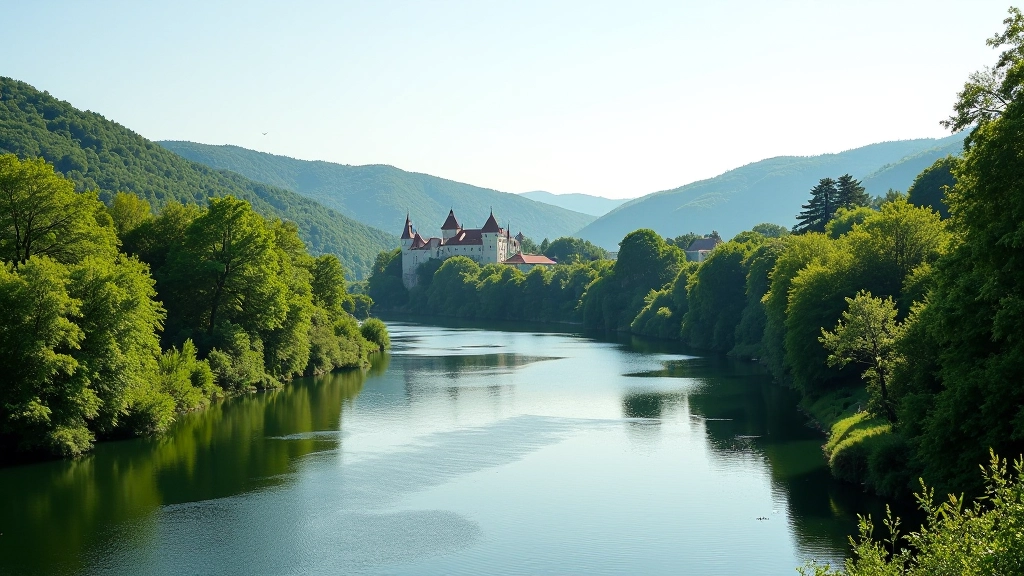
Riverside Picnic Areas Near Český Krumlov
Complete guide to riverside picnic spots, seasonal access, facilities available, and tips for planning outdoor meals.
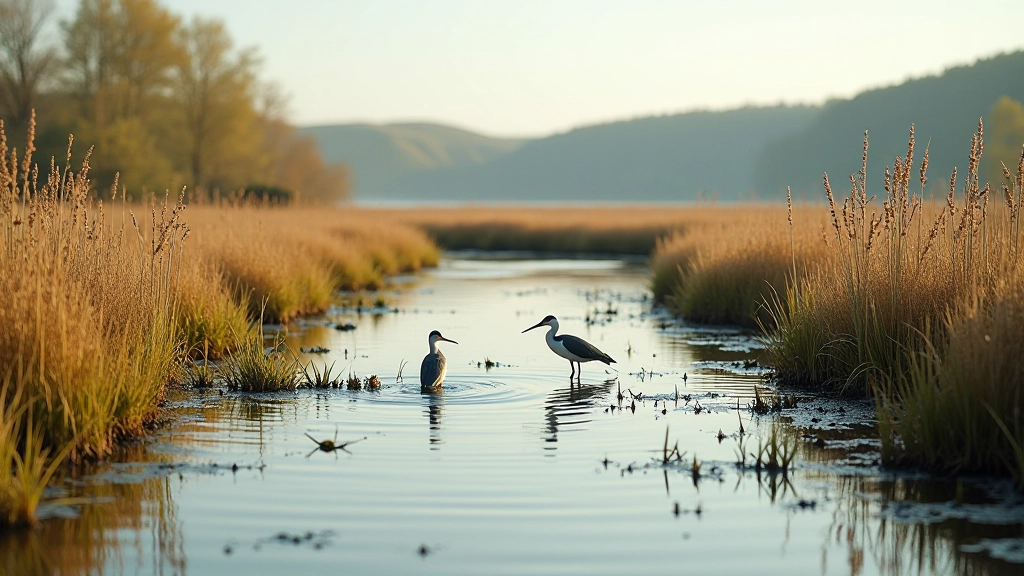
The Třeboň Wetlands aren’t just another nature reserve. They’re a crucial stopover point for migratory birds traveling between Africa and northern Europe. What makes this place special isn’t just the sheer number of species — it’s the accessibility. You don’t need expensive gear or expert skills to see remarkable birds here.
Covering roughly 6,000 hectares of fishponds, reed beds, and open water, Třeboň supports permanent residents and seasonal visitors. Some birds stay year-round. Others pass through during spring and autumn migrations. The result? You’ll find something different depending on when you visit.
Not every species on the official list shows up regularly. Here’s what you’re likely to encounter, broken down by season.
Great Egrets, Grey Herons, White Storks (spring/autumn), and various duck species. Winter brings Teal and Wigeon. Look for them in shallow water channels early morning.
Marsh Harriers hunt over reed beds year-round. White-tailed Eagles appear in winter. Kestrels hover above open ground. You’ll hear them before you see them sometimes.
Warblers, Reed Buntings, and Bearded Reedlings in the reed beds. Spring brings migrating Nightingales and Bluethroats. These are trickier to spot but worth the patience.
Spoonbills (May-October), Cranes (during migration), and Grebes. These aren’t guaranteed but they’re what make serious birdwatchers keep detailed records.
Seeing birds isn’t about luck. It’s about understanding their behavior and knowing where to look.
Early morning (5-9 AM) is prime time. Birds are most active then, feeding and calling. Afternoon can be slow, especially in summer heat. Late afternoon picks up again around 4-6 PM. Winter means shorter observation windows — sunrise to noon is often sufficient.
Move slowly. Talk quietly. Stop frequently to listen. Many birds you’ll never see — you’ll only hear them. A sudden movement sends flocks scattering. Patient observation yields better results than rushing between observation points.
Keep the sun behind you when possible. Backlit birds are silhouettes. Use reeds and trees as cover — don’t stand in open water channels. The observation towers (věž) at Borovany and other locations provide excellent vantage points without disturbing birds.
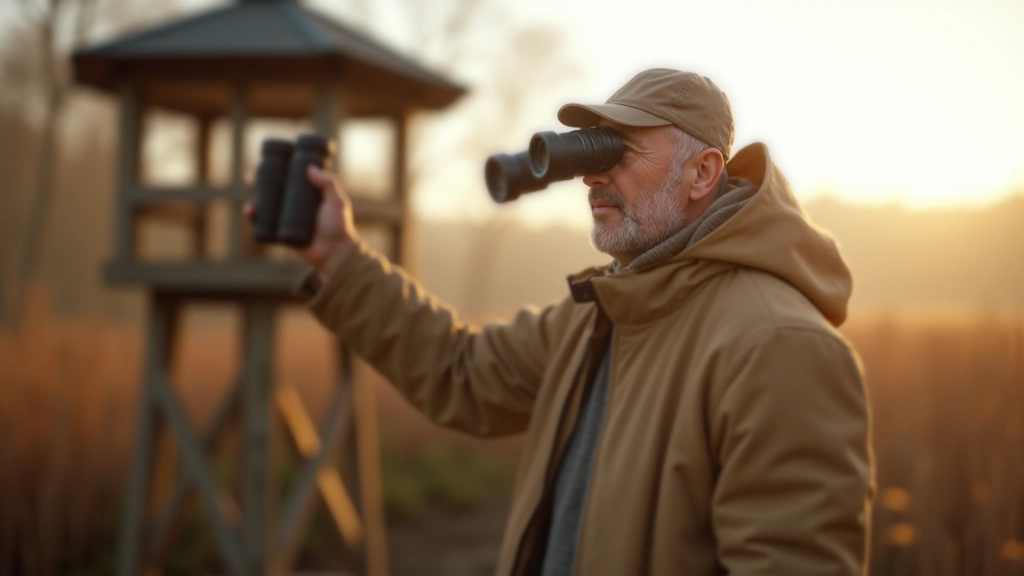

You don’t need expensive equipment to enjoy birdwatching. You do need the right stuff though.
The single most important item. Look for 8×42 magnification (8x power, 42mm lens diameter). Budget option: 200-400 EUR. Mid-range: 600-1200 EUR. Cheap binoculars frustrate you. Decent ones last decades.
Get a Central European field guide specific to the region. Identify birds by size, color, behavior, and habitat. Digital apps work too, but paper guides don’t need batteries.
Keep records of what you see. Date, time, location, weather. Over time you’ll see patterns. These notes become valuable to yourself and the wider birding community.
Waterproof jacket. Warm layers for early mornings. Neutral colors (greens, greys, browns). Avoid white, bright red, or loud patterns. Your goal is invisibility.
Třeboň is a protected reserve. The rules exist to protect birds, not to limit your enjoyment. Stick to marked trails. Stay on observation platforms. Don’t approach nesting areas — many species abandon nests if disturbed during breeding season (March-July). Flash photography is prohibited. Playback of bird calls should be minimal and never during nesting season.
Photography is permitted but follow the reserve’s guidelines. If you’re visiting with a camera with telephoto lens, you’ll have better results and less impact on birds if you maintain distance. A 400-600mm lens lets you capture detail without approaching nests or roosting birds.
This guide is informational and educational. Always check current reserve regulations before visiting, as rules and access may change seasonally. Contact the Třeboň Administration office for the most current information on access restrictions and guided tours.
The Třeboň Wetlands sit directly on the East Atlantic Flyway. Millions of birds pass through annually. Timing your visit right dramatically increases what you’ll see.
Peak activity. Warblers return, storks arrive, grebes and divers move through. White Storks are spectacular — you’ll see dozens some days. Early mornings are absolutely essential now. Expect crowds of birdwatchers on weekends.
Breeding season. Movement slows. Focus on species raising young — herons, egrets, marsh harriers. Many observation areas are restricted to protect nesting birds. Mornings remain best. Afternoons are quiet.
Second migration peak. Different species than spring — more shorebirds, warblers in various plumages. September is excellent. Cranes pass through in October, sometimes thousands in a single flock. Weather becomes unpredictable.
Quieter but rewarding. White-tailed Eagles arrive. Ducks congregate in open water. Fewer species overall but concentrated in specific areas. Cold mornings mean fewer tourists and better viewing opportunities for patient observers.
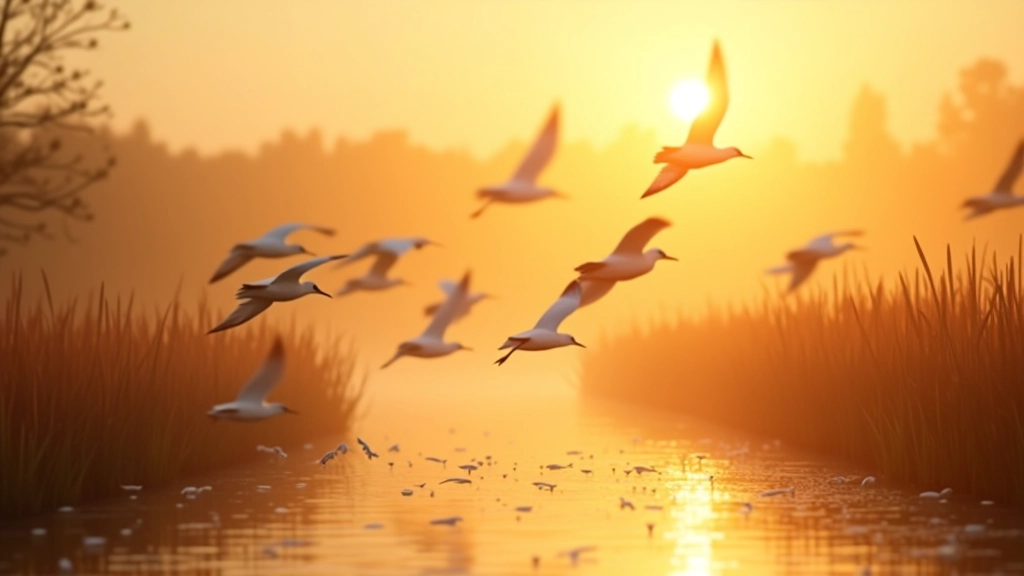

Třeboň isn’t intimidating. It’s welcoming. You don’t need to be an expert to enjoy it. You just need curiosity, patience, and decent binoculars. Your first visit might yield 20 species. Your tenth might still surprise you with something you’ve never seen before.
The reserve is open year-round. Visitor centers provide maps and current information. Guided tours run seasonally if you prefer a structured introduction. Whether you’re alone with your binoculars or with a group of fellow enthusiasts, the experience is unforgettable.